If you’re over 60 and thinking about strength training, it’s completely normal to have questions — or even concerns — about safety. Many people worry that lifting weights or doing resistance exercises might lead to injury or be “too much” for ageing bodies.The reality is reassuring: strength training is not only safe for older adults when done correctly — it’s one of the most beneficial forms of exercise we can do as we age.
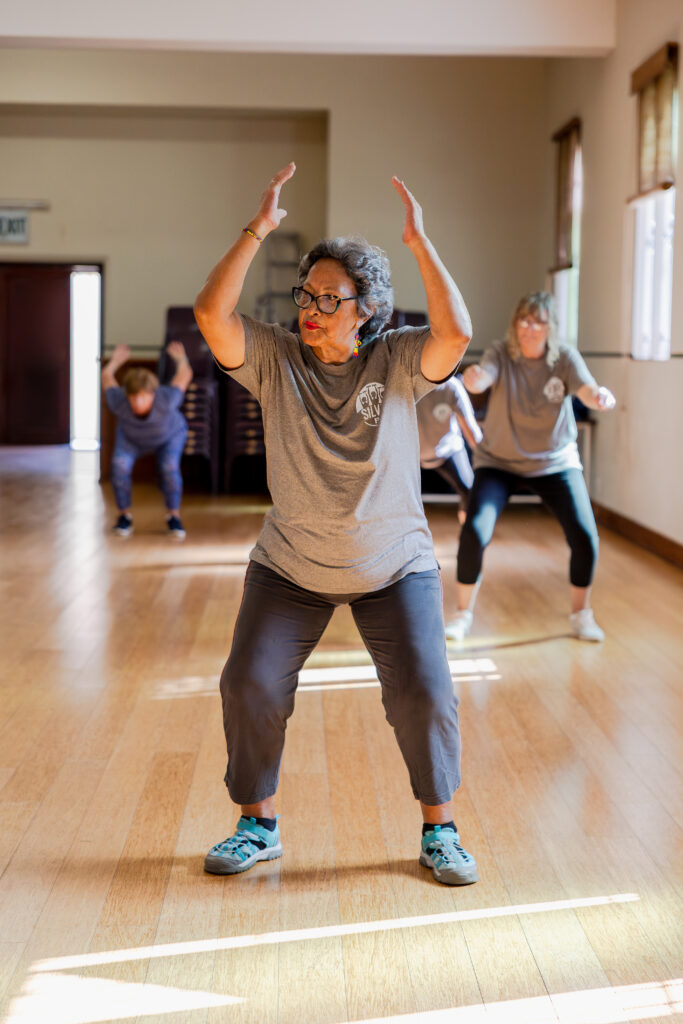
In this article, we’ll explore:
- Why strength training matters after 60
- What experts say about safety
- Common concerns and misconceptions
- How to approach strength training in a way that supports confidence, mobility, and independence
Why Strength Training Matters as We Age
From around our 30s onwards, we naturally begin to lose muscle mass if we’re not actively using it. Over time, this can affect:
- Balance and stability
- Ease of movement
- Joint support
- Confidence with daily activities
Strength training helps slow — and even reverse — these changes. For people over 60, it plays a key role in supporting everyday independence.
Regular strength-based exercise can help older adults:
- Stand up and sit down more easily
- Carry groceries and household items
- Climb stairs with greater confidence
- Protect joints by supporting them with stronger muscles
- Maintain bone health and posture
Rather than being about “lifting heavy,” strength training is about building resilience for real life.
Is Strength Training Safe for Older Adults?
Yes, strength training is considered safe and beneficial for older adults, according to extensive research and expert guidelines, when it is appropriately designed and supervised.
Health and exercise professionals consistently recommend strength training for people over 60 because it:
- Improves muscle strength and joint stability
- Reduces the risk of falls
- Supports bone density
- Enhances overall quality of life
The key is how strength training is done — not whether it’s done at all.
What Safe Strength Training Looks Like After 60
Strength training for older adults looks very different from what many people imagine. It is:
- Controlled, not rushed
- Low-impact, not high-stress
- Progressive, not extreme
- Adaptable to different abilities and health conditions
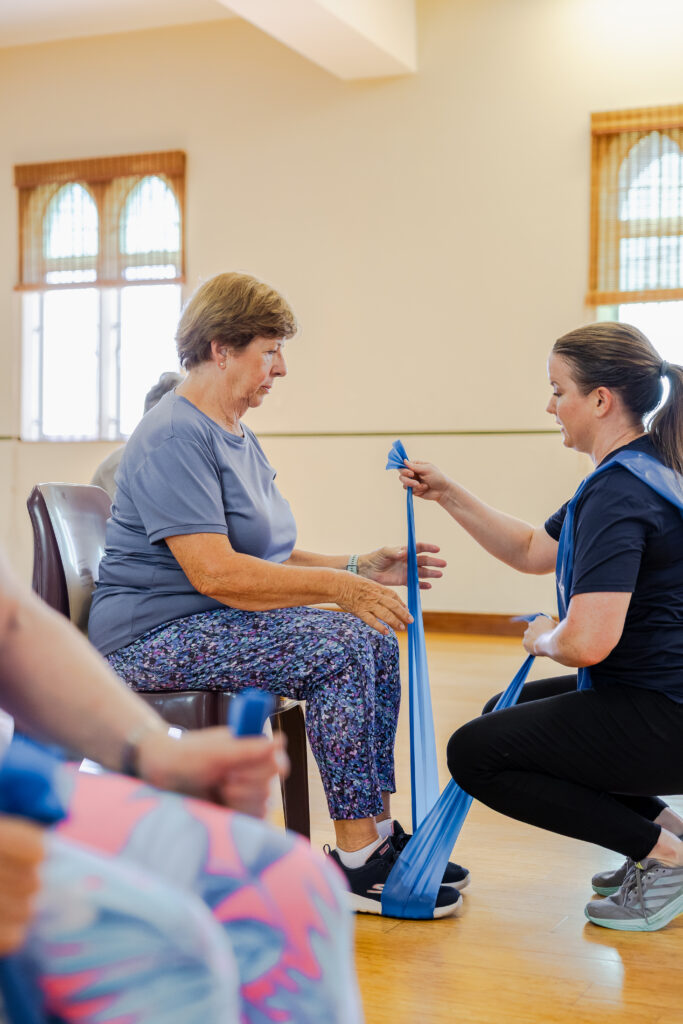
Safe strength training typically uses:
- Bodyweight exercises
- Light dumbbells or resistance bands
- Chairs or walls for support
- Slow, controlled movements
The goal is functional strength; the kind that helps us move well in everyday life.
Common Concerns About Strength Training (and the Reality)
“I’m worried about hurting myself”
This is one of the most common concerns — and an understandable one. When strength training is guided by trained professionals and adapted to your ability, the risk of injury is low and often lower than remaining inactive.
“I have joint pain or arthritis”
Strength training can actually help support joints by strengthening the muscles around them. Exercises can be modified to reduce strain while still building strength.
“I’ve never done strength training before”
It’s never too late to start. Many people begin strength training for the first time well into their 60s, 70s, and beyond; and see meaningful improvements.
How Often Should Older Adults Do Strength Training?
Experts generally recommend:
- 2 sessions per week
- Rest days between sessions
- Short, focused workouts (30-45 minutes)
Consistency matters far more than intensity. Progress should feel steady and manageable, not exhausting.
Why Supervised and Small-Group Strength Training Works So Well
Many people over 60 feel more confident strength training in a supportive, small-group environment.
Benefits often include:
- Personalised guidance
- Exercises adapted to individual needs
- Clear instruction and reassurance
- A sense of community and motivation
At Silver Fit, strength training is thoughtfully integrated into classes in a way that prioritises safety, enjoyment, and long-term progress- helping members become stronger for longer.

Strength Is About Independence, Not Age
Strength training isn’t about defying age; it’s about supporting the life we want to live.
When we feel strong, we:
- Move with greater confidence
- Stay active for longer
- Reduce fear around movement
- Maintain independence and choice
Strength is not reserved for athletes or younger people. It’s a resource we can build and maintain at every stage of life.
Thinking About Starting Strength Training?
If you’re over 60 and curious about strength training, the most important step is choosing an approach that feels safe, supportive, and suited to you.
Silver Fit offers tailored exercise classes for older adults that focus on strength, balance, and confidence, both in person and online. Our programs are designed to meet people where they are, encouraging progress at a pace that feels right.
Because building strength isn’t about pushing harder – it’s about moving better, for longer.
Visit www.silverfit.co.za to find your nearest class and join us for a 7 day free trial!